
What Is an Irregular Heartbeat?
An irregular heartbeat, also called arrhythmia, means your heart does not beat in a regular pattern. Sometimes, your heart may beat too fast, too slow, or skip beats. Many people feel a fluttering or pounding in their chest. Others may not notice any signs at all. However, common irregular heartbeat symptoms include:
Although some arrhythmias are harmless, others can be serious. Therefore, it is important to know the causes and when to seek help.
Causes and Risk Factors of Irregular Heartbeat
Many things can cause an irregular heartbeat. For example, heart disease, high blood pressure, or problems with the heart’s structure can lead to arrhythmia. In addition, certain lifestyle factors and medical conditions increase your risk. Common causes and risk factors include:
Because some causes are serious, you should pay attention to any new or unusual symptoms.
When to Seek Medical Attention for Irregular Heartbeat
Sometimes, an irregular heartbeat is not dangerous. However, you should see a doctor if you notice:
In these cases, getting a heart rhythm test like an ECG can help find the cause. If you have a known heart problem, do not wait to seek help. Early care can prevent serious issues.
How ECG Helps in Diagnosing Irregular Heartbeat
An ECG, or electrocardiogram, is a simple test that records your heart’s electrical signals. Because it shows how your heart beats, doctors use ECG for arrhythmia diagnosis. The test helps find out if your heart rhythm is normal or not. In fact, an ECG can detect many types of arrhythmias. It also helps your doctor decide on the best treatment. According to the CDC, ECG is a key tool for heart rhythm problems.
What to Expect During an ECG Test
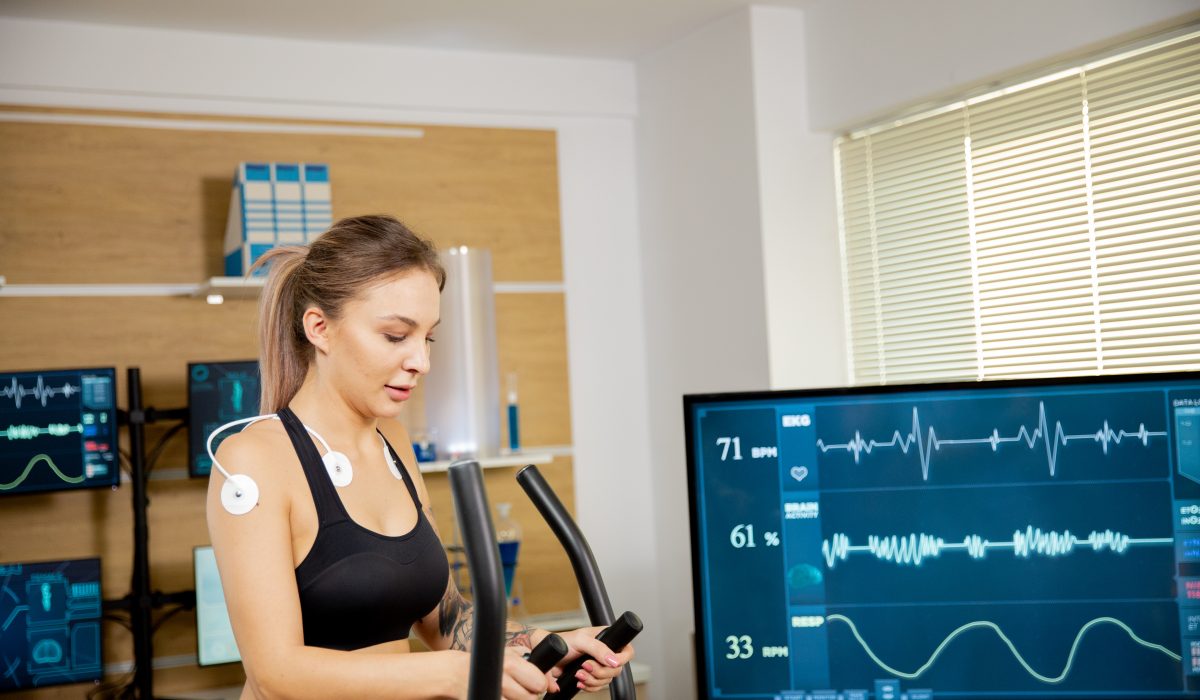
Getting an ECG is quick and painless. First, a nurse or technician will place small sticky patches, called electrodes, on your chest, arms, and legs. Next, these patches connect to a machine that records your heart’s activity. You will need to lie still for a few minutes while the test runs. Afterward, your doctor will review the results. Usually, you can return to normal activities right away.
Treatment Options After ECG Diagnosis
Once your doctor reviews your ECG, they will discuss the results with you. Treatment depends on the type and cause of your irregular heartbeat. Options may include:
With the right care, many people manage arrhythmias well. Your doctor will help you choose the best plan.
Lifestyle Tips and Prevention Strategies
Although not all irregular heartbeats can be prevented, healthy habits lower your risk. For example, you can:
Because prevention is better than cure, these steps can help protect your heart.
Conclusion
In summary, an irregular heartbeat can be a sign of a heart problem. If you notice symptoms, an ECG for arrhythmia can help find the cause. Early diagnosis and treatment make a big difference. If you notice irregular heartbeats, consult a cardiologist for personalized advice.