
Heart valve disease affects many people worldwide. It happens when one or more of your heart’s valves do not work as they should. Early diagnosis and regular monitoring are important for good health. An echocardiogram in heart valve disease is a key tool. It helps doctors see how your heart valves are working. This non-invasive heart test is safe, painless, and very helpful for both diagnosis and ongoing care.
What Is Heart Valve Disease?
Heart valve disease means that one or more of your heart’s four valves are not working properly. These valves help blood flow in the right direction through your heart. When a valve does not open or close as it should, blood flow can be blocked or leak backward. This can make your heart work harder. Over time, it may cause symptoms or other heart problems.
What Is an Echocardiogram?
An echocardiogram is a special test that uses sound waves to make pictures of your heart. It is also called an “echo.” Doctors use this test to see your heart’s structure and how it works. Unlike X-rays, an echocardiogram does not use radiation. Instead, it is safe and painless. Most people have this test done in a doctor’s office or hospital.
Why Is Echocardiogram Important in Heart Valve Disease?
Because heart valve disease can be hard to detect early, an echocardiogram for heart valve problems is very useful. This test gives doctors a clear view of your heart valves. As a result, they can spot issues before symptoms get worse. In addition, echocardiograms help guide treatment decisions. They also help track changes over time.
How Echocardiograms Help Diagnose Heart Valve Disease
Doctors use echocardiograms to look for signs of valve disease. For example, they check if a valve is too narrow or does not close fully. They also measure how much blood flows through each valve. This helps them find out how serious the problem is. According to the American Heart Association, echocardiograms are the main test for heart valve disease diagnosis.
Monitoring and Managing Heart Valve Disease with Echocardiograms
Once you are diagnosed, regular echocardiograms help monitor your heart valve disease. This is important because valve problems can change over time. With each test, your doctor can see if your condition is stable or getting worse. Therefore, they can adjust your treatment plan as needed. The CDC recommends regular heart valve monitoring for people with known valve disease.
What to Expect During an Echocardiogram
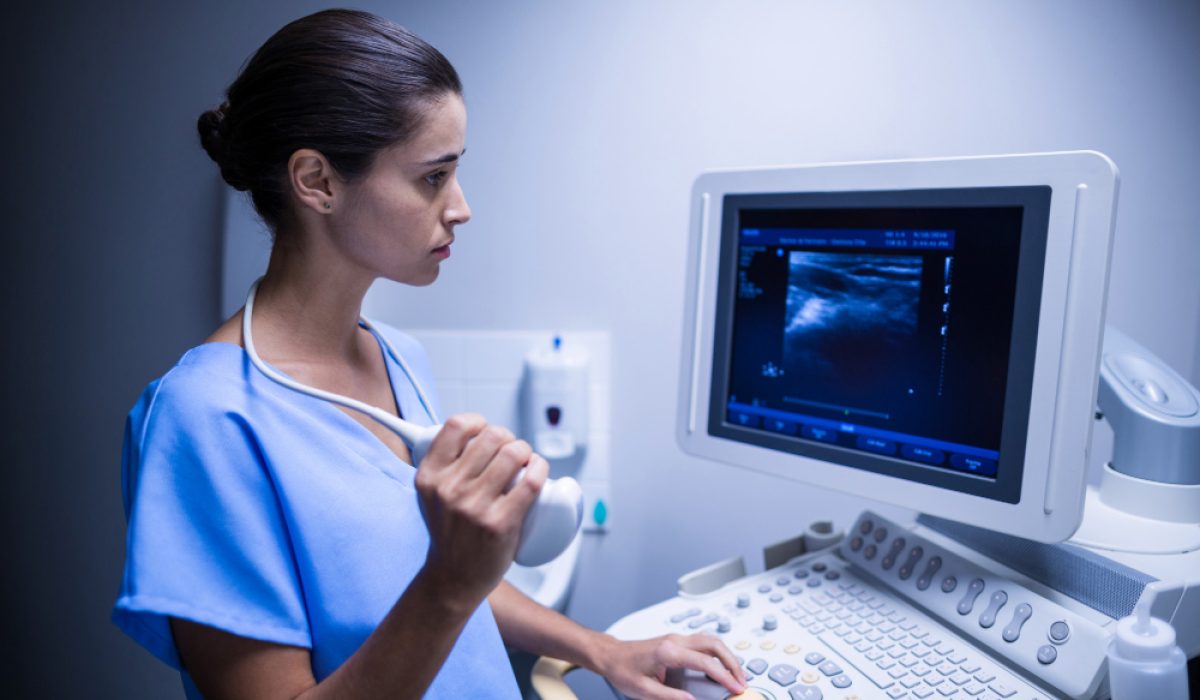
Getting an echocardiogram is simple and safe. First, you will lie on a table. Next, a technician puts a small device called a transducer on your chest. This device sends sound waves into your heart. The waves bounce back and create pictures on a screen. The test usually takes 30 to 60 minutes. You can go home right after the test. There is no pain, and you do not need to prepare much.
Frequently Asked Questions (FAQs)
Prevention and Lifestyle Tips for Heart Valve Health
While some heart valve problems are present at birth, others develop over time. However, you can take steps to protect your heart valves. Healthy habits can lower your risk and help you feel better.
In summary, echocardiograms play a key role in heart valve disease diagnosis, monitoring, and care. They are safe, non-invasive, and provide important information for your doctor. If you have questions or concerns about your heart valves, consult a cardiologist for personalized advice.