
What Are Heart Checks in Children?
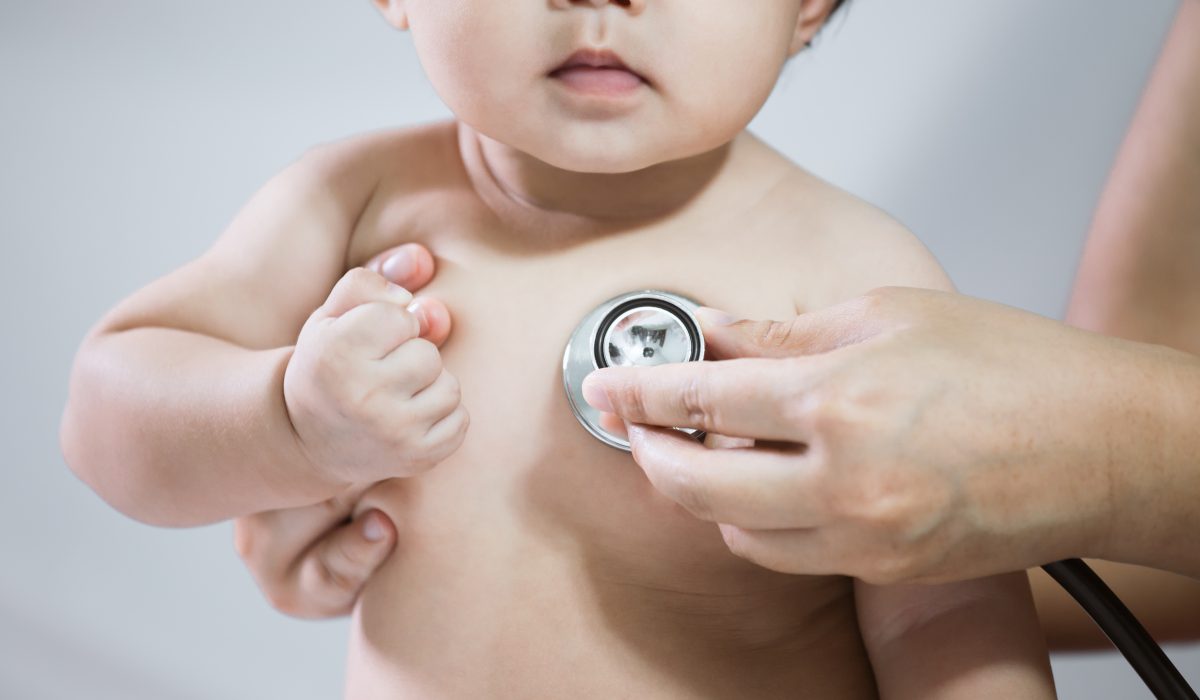
Heart checks in children are special tests and exams that look at how a child’s heart is working. These checks help doctors find any heart problems early. Often, heart checks in children include listening to the heart, checking blood pressure, and sometimes using machines like an ECG or an ultrasound. Early detection of heart problems in kids can make a big difference in their health. For this reason, many parents and caregivers choose pediatric heart screening to keep their children safe.
Why Are Heart Checks Important?
Heart checks in children are important for many reasons. First, some heart problems do not show clear signs. However, early checks can find these issues before they become serious. Also, children’s heart health can affect their growth and daily life. According to the World Health Organization (WHO), early detection and treatment of heart problems can prevent long-term health issues. In addition, regular heart checks help parents feel confident about their child’s well-being.
Common Symptoms That May Need a Heart Check
Sometimes, children show signs that may mean a heart check is needed. If you notice any of these symptoms, talk to your doctor:
Not all symptoms mean there is a heart problem. Still, it is better to be safe and get a pediatric heart screening if you are unsure.
How Heart Checks Are Performed
Doctors use different methods to check a child’s heart. Some are simple and do not hurt. Others may need special tools. Here are common ways heart checks in children are done:
Most heart checks are safe and quick. Your doctor will choose the best tests for your child’s needs.
What to Expect During a Heart Check
Before the heart check, the doctor will ask about your child’s health and family history. Next, the doctor will explain each step. For example, during an ECG, small stickers are placed on the chest to record the heartbeat. During an echocardiogram, a small device moves over the chest to take pictures. Most tests do not hurt and take only a short time. However, if your child feels nervous, let the doctor know. Many clinics allow parents to stay with their child during the tests. This helps children feel calm and safe.
Preventive Tips for Children’s Heart Health
Keeping your child’s heart healthy is important. Here are some simple tips:
With these steps, you can help support your children’s heart health every day.
When to Consult a Pediatric Cardiologist
Sometimes, your child may need to see a heart specialist, called a pediatric cardiologist. You should consult a pediatric cardiologist if:
Early detection of heart problems in kids can lead to better outcomes. Therefore, do not wait if you have concerns.
If you have concerns about your child’s heart health, consult a pediatric cardiologist for personalized advice. Early action can help protect your child’s future.