
10 Myths and Facts About Coronary Artery Bypass Grafting (CABG)
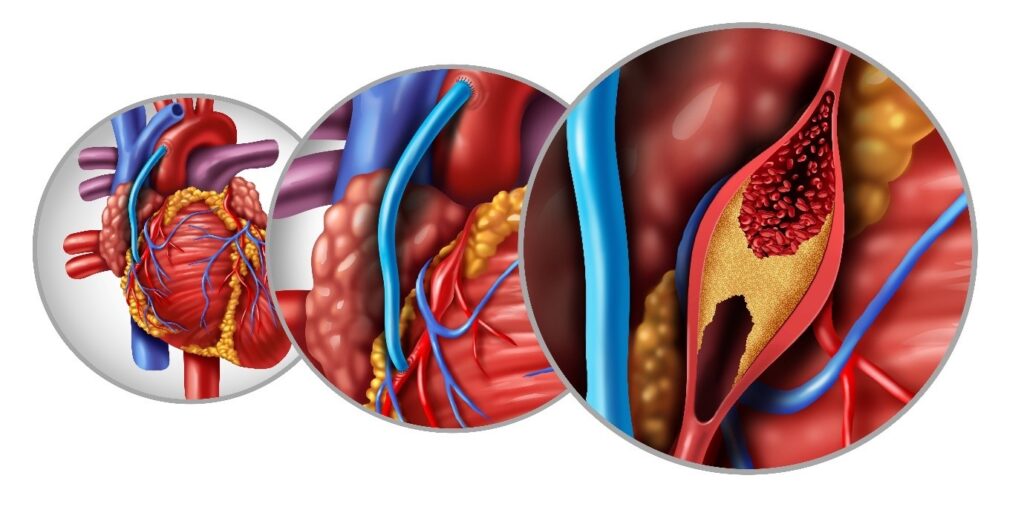
Myth 1: You can’t live a normal life after CABG. Fact: Most people return to their daily activities, including work and exercise, after recovering from CABG. With proper care, many enjoy a better quality of life than before surgery. Myth 2: CABG is always better than stenting. Fact: Both CABG and stenting have their place […]
Revolutionizing Varicose Veins Treatment: The Power of Interventional Radiology

Varicose veins are one of the most common conditions that contributes to aesthetic concerns apart from discomfort for many individuals. However, with the advancements in medical technology, interventional radiology has emerged as a transformative approach to effectively treat varicose veins. This article explores the role of interventional radiology in revolutionizing varicose veins treatment. Understanding Varicose […]
Understanding Aortic Dissection: The Silent Emergency You Need to Know

What is Aortic Dissection? Aortic dissection happens when a tear forms in the aorta’s inner layer, the primary artery that transports oxygen-rich blood from the heart to the body. This tear permits blood to flow between the layers of the aortic wall, forcing them apart (dissection). If untreated, it can block blood flow to vital […]
The Power of Exercise in Promoting Heart Health

In a world where sedentary lifestyles have become the norm, it’s crucial to understand the profound impact that exercise can have on our heart health. Regular physical activity not only keeps our bodies fit but also plays a significant role in maintaining the well-being of our cardiovascular system. Benefits of Exercise for Heart Health: Enhanced […]
The Role of Genetics in Dyslipidemia: Understanding Familial Hypercholesterolemia

Dyslipidemia is a common condition characterized by abnormal lipid levels in the blood. While lifestyle factors such as diet, exercise, and smoking can contribute to dyslipidemia, genetics also plays a significant role in the development of this condition. Familial hypercholesterolemia (FH) is a genetic disorder that leads to extremely high levels of low-density lipoprotein (LDL) […]
Decoding the Treadmill Test: Unveiling the Secrets of Heart Health

In the realm of heart health diagnostics, the treadmill test, also known as a stress test or exercise ECG, remains a valuable tool. This blog delves into the significance of this test, how it works, its applications, and why it’s crucial for cardiovascular well-being. What is a Treadmill Test? A treadmill test is a non-invasive […]
Demystifying Interventional Radiology for Varicose Veins: Your Top FAQs Answered
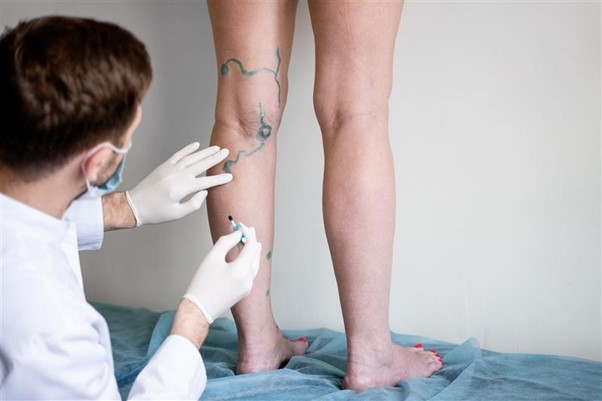
Q1: What is interventional radiology? A1: Interventional radiology is a medical specialty that uses minimally invasive techniques and imaging guidance to diagnose and treat various conditions, including varicose veins. Q2: How does interventional radiology treat varicose veins? A2: Interventional radiology offers several techniques such as endogenous laser ablation (EVLA), radiofrequency ablation (RFA), sclerotherapy, and more […]
Understanding Mitral Valve Repair: A Simple Guide
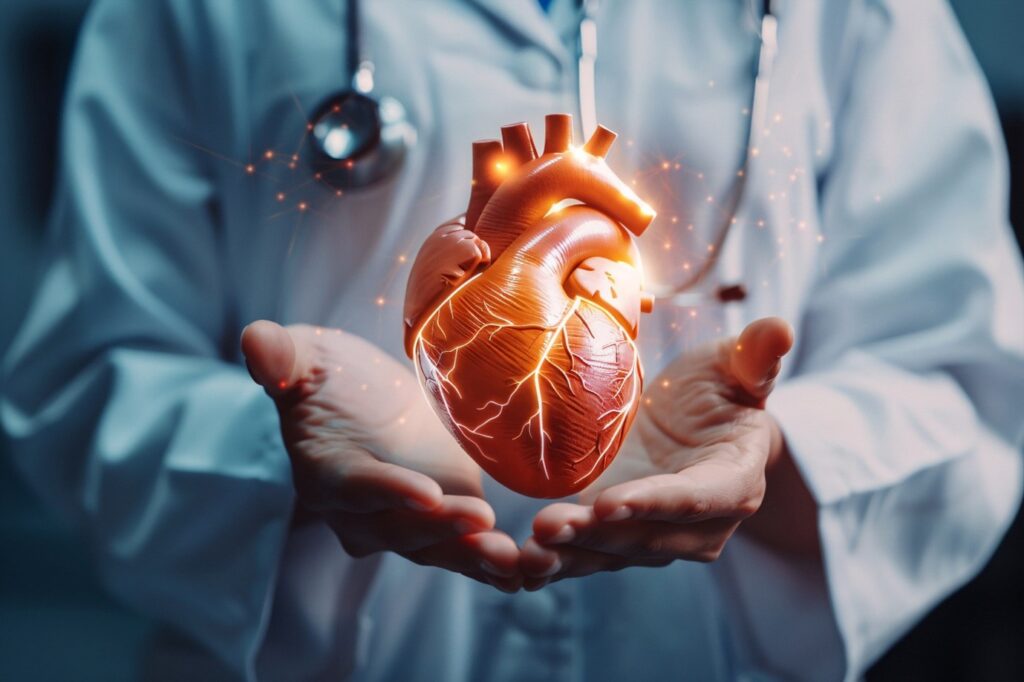
Your heart has four valves that ensure blood flows in the right direction. One of these is the mitral valve, located between the left atrium and left ventricle of the heart. This valve can sometimes become damaged due to various conditions, causing problems like blood leaking backward or not flowing properly. When this happens, mitral […]
Understanding Tetralogy of Fallot: Dos and Don’ts, FAQs, Myths, and Facts

Tetralogy of Fallot (TOF) is a congenital heart defect that affects around 5 out of every 10,000 babies born worldwide. It’s a complex condition that requires careful management and understanding by both patients and their caregivers. Dos and Don’ts: Do: Don’t: FAQs: Myths and Facts: Myth: People with Tetralogy of Fallot Cannot Lead Normal Lives. […]
Aortic Aneurysms: What You Should Know for Better Heart Health
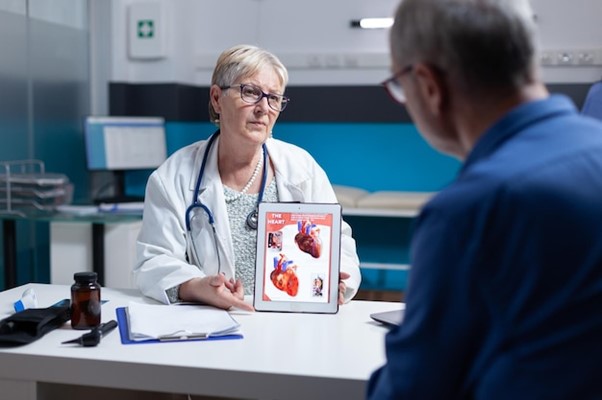
An aortic aneurysm is a serious condition where the largest artery in your body, the aorta, develops a weakened area that causes it to bulge. If not treated, it can rupture, leading to severe complications. What is an Aortic Aneurysm? The aorta is the major artery that carries blood from your heart to the rest […]